Have you ever noticed that some of your campaigns perform really well while others barely get attention? You might be offering similar products, targeting the same audience, and even using the same channels. So what changes?
It’s how you are presenting things to the customer, as they love rewards, referral codes, discounts, exclusive offers, or little perks that feel exciting. But here's the challenge: you can't keep sending discounts in every message. Over time, customers come to expect them, and the excitement fades.
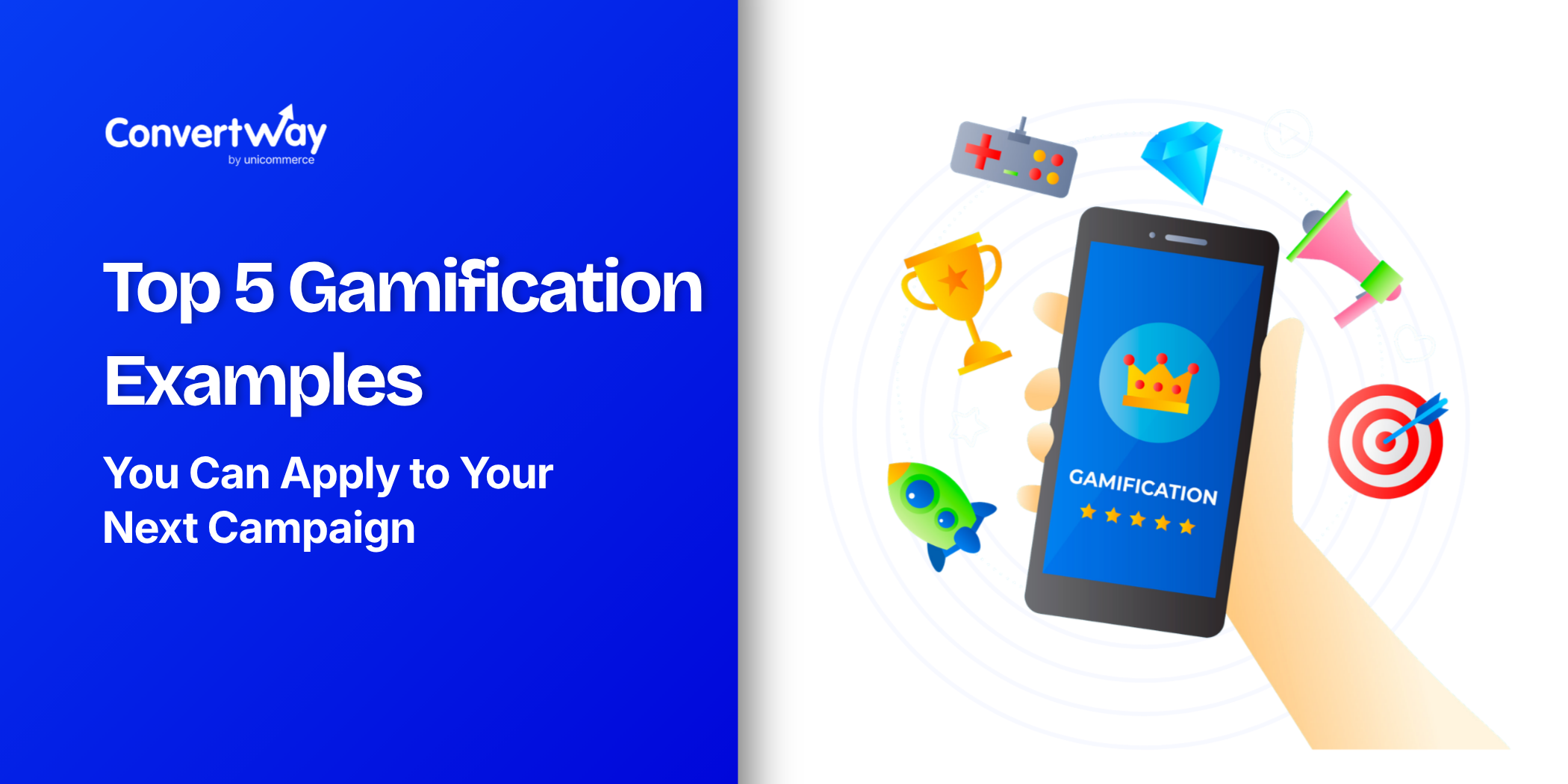
You need another way to keep your audience interested, and gamification is one of the best ways to engage them by adding challenges, spin wheels, progress bars, or reward mechanics. To understand this better, let's look at some gamification examples that actually make customers engage.
The reason gamification works is rooted in basic human psychology, like we are wired to respond to progress, competition, and the feeling of earning something. When a customer sees they’re 200 points away from a gift, it becomes hard to ignore.
So, that’s why we have broken down 5 gamification examples that actually make your campaigns more engaging and get customers to take action.
Picture you are a skincare brand selling through your own website and WhatsApp. Instead of a flat “earn 1 point per ₹100 spent” system, you can run a monthly challenge calendar.
Each week brings a new task:
Every week gives customers a new reason to come back. And because the challenge keeps changing, customers don’t switch to autopilot and actually check what’s new.
Why it works:
Think you are running a fashion shopping app and notice that customers browse frequently but rarely convert on return visits. Instead of changing discounts or adding more offers, you introduce a simple mechanic:
Log in and check new arrivals 5 days in a row, and unlock early access to the weekend sale 2 hours before anyone else.
Within a month, daily active sessions start increasing because now customers start opening the app just to keep their streak alive, and some even end up purchasing.
Why it works:
Picture you are a home décor brand selling through your website and marketplaces. Instead of giving the same rewards to every customer, you create three customer tiers: Maker, Builder, and Creator, and divide the offers like this:
This gives customers something genuinely useful instead of just another reward on paper. As customers move up, they feel rewarded for staying connected with your brand.
Why it works:
Let’s understand this with a scenario: where you are a gifting brand running seasonal sales and notice high traffic during the wedding season, but low subscriber conversions. Instead of showing another basic discount pop-up, you add a spin-to-win wheel that appears 8 seconds after a visitor lands on the website.
The wheel can include rewards like:
To spin the wheel, visitors share their WhatsApp number, and the reward is delivered instantly with a 48-hour validity period. You also get a direct channel to reconnect with those visitors later.
Why it works:
Picture you are a supplements brand and want customers to increase their cart value without pushing another offer. Instead of adding a loyalty program or reward system, you simply add a line on the cart page:
"Add ₹100 more to get free delivery."
Over time, customers start adding one more product or choosing a larger pack just to reach the target. Something as simple as visible progress can influence buying decisions naturally.
Why it works:
So, these are some of the best gamification examples you can try. But if you're still wondering why your current campaigns aren't getting the engagement you expected, the next section is for you.
We'll look at what has become too common, what customers usually ignore, and what can actually make them click.
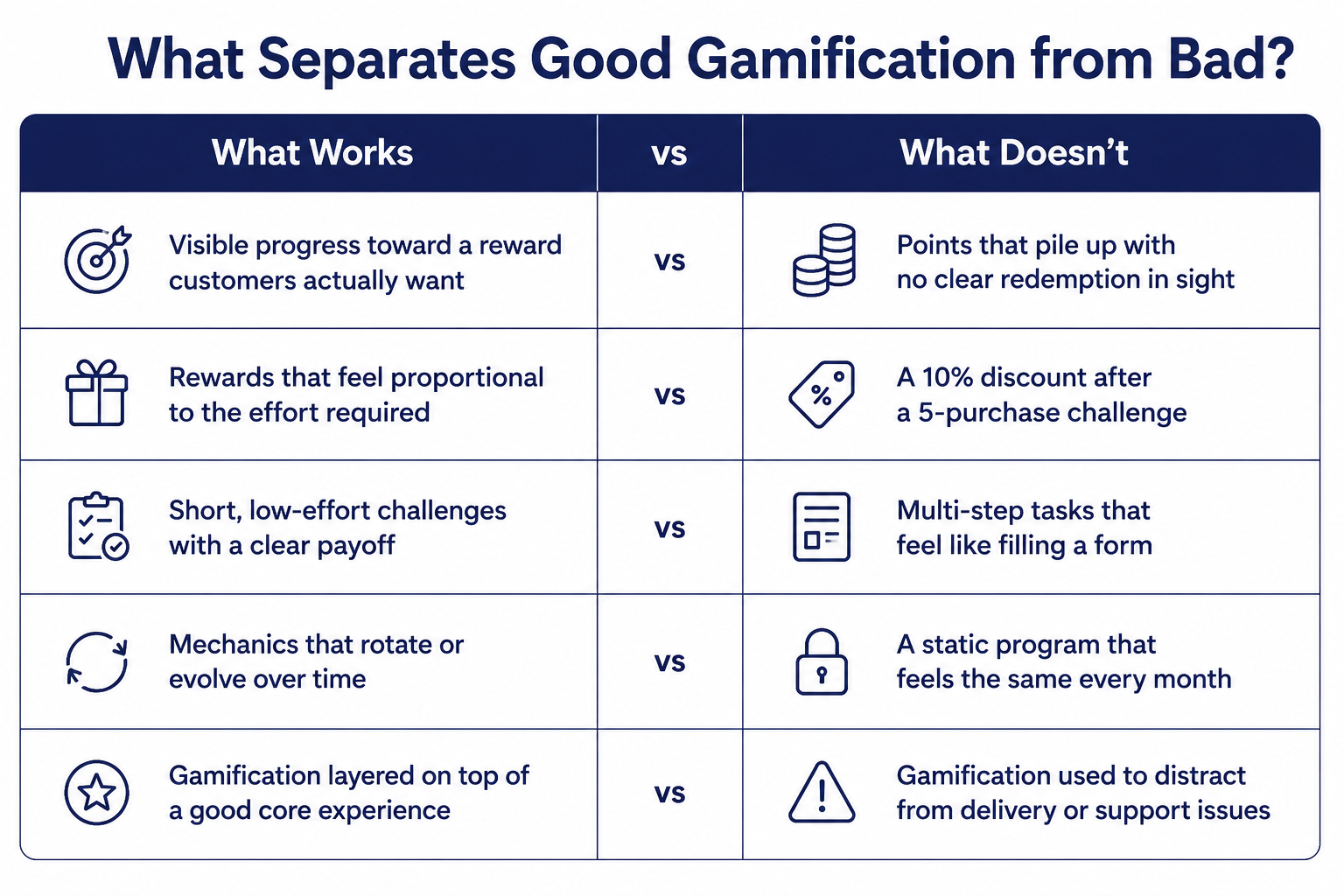
These are some of the things I found work well. But one question still remains: how do you actually manage these gamification campaigns without making the process complicated?
Because coming up with ideas is one part. Managing spin wheels, rewards, challenges, and engagement journeys across multiple channels is another challenge altogether.
If you don’t already have a tool for this, TheConvertWay helps brands like yours create and manage gamified campaigns such as spin wheels, reward-based journeys, and engagement flows across WhatsApp, SMS, and email.
So how does it help? Let's understand it better.
Running gamification tactics consistently across customer touchpoints is where most brands struggle, and here Convertway helps brands.
With Convertway, brands like yours can:
The brands that keep customers engaged long term are the ones creating experiences consistently without rebuilding everything for every campaign.
Gamification works when it gives customers a reason to engage beyond just another discount. But it starts failing when rewards feel difficult to achieve, or the experience becomes too complicated.
Start small. A spin wheel, a progress bar, or a simple streak mechanic can help you understand what your customers actually respond to.
The best gamification feels like an experience customers genuinely enjoy coming back to.
FAQs:
1. What are some successful gamification examples used by brands for customer engagement?
Some commonly used gamification examples include spin-to-win pop-ups, reward tiers, streak-based challenges, progress bars, referral rewards, and point systems. These work because they give customers a reason to interact with the brand beyond simply purchasing products.
2. How can gamification increase customer engagement in ecommerce?
Gamification helps by making interactions feel more rewarding. Instead of repeatedly sending promotional messages, brands can use challenges, rewards, or progress tracking to encourage customers to revisit the website, engage with campaigns, and complete purchases.
3. What type of rewards work best in gamification campaigns?
The best rewards are usually the ones customers find genuinely useful. These can include discounts, free shipping, exclusive access, reward points, gift vouchers, early product access, or personalized benefits. The reward should match the effort customers put in.
4. How do brands use spin-to-win campaigns without relying heavily on discounts?
Brands do not always need to offer large discounts. Spin wheels can include rewards like gift wrapping, loyalty points, exclusive access, free delivery, mystery rewards, or referral bonuses. This keeps engagement high without affecting pricing too much.
5. Can gamification improve customer retention and repeat purchases?
Yes. Gamification helps create repeat interactions through loyalty rewards, challenges, and habit-building mechanics. Customers who regularly engage with a brand are more likely to return and make additional purchases over time.