
Your competitor just used AI to predict exactly which customers were about to churn and quietly won them back before you even realised they were slipping away. It is already happening in Indian D2C, and 2026 is only going to accelerate it further.
India’s D2C market is moving rapidly toward a $60 billion opportunity by 2027. At the same time, customer acquisition costs on Meta and Google have increased by 40-60% since 2023. Attention is fragmented, loyalty is harder to earn, and traditional marketing is losing effectiveness.
If you are not aligning with current marketing trends, you are already falling behind. Today, customer acquisition through paid ads and repetitive strategies alone is no longer enough. Brands need to adopt AI in marketing, predictive analytics, community-led growth, and other profitability-driven approaches.
But how exactly do you do that?
This blog covers everything you need to know about the most important marketing trends for 2026 and how Indian D2C brands can apply them in real business scenarios.
In 2026, AI is actively running marketing systems. AI now helps brands:
For instance, a customer who repeatedly visits a skincare moisturiser page but never adds it to the cart is treated very differently from someone who adds a shampoo to the cart, removes it, and comes back again after a few hours.
AI detects these behavioural patterns instantly and adjusts messaging accordingly. In the first case, it may trigger an educational message like “why this product works for your skin type,” while in the second case, it may send a limited-time discount or a reminder highlighting stock scarcity to encourage faster purchase.
This is just one example. There are many ways in which AI is transforming how D2C brands think, operate, and reach customers in real time. So, let’s now dive into the key marketing trends for D2C brands that are reshaping marketing strategies in 2026.
As of now, 60% of marketers globally cite AI as the most important aspect of their data strategy. This highlights how significantly recent marketing trends matter for brands that want to accelerate growth and stay competitive.
So, here are the most important marketing trends in 2026 that are reshaping D2C growth:
One of the most practical shifts in marketing trends 2026 is the rise of AI Voice Agents. These are voice-based assistants that speak with customers rather than requiring them to type or click.
They can:
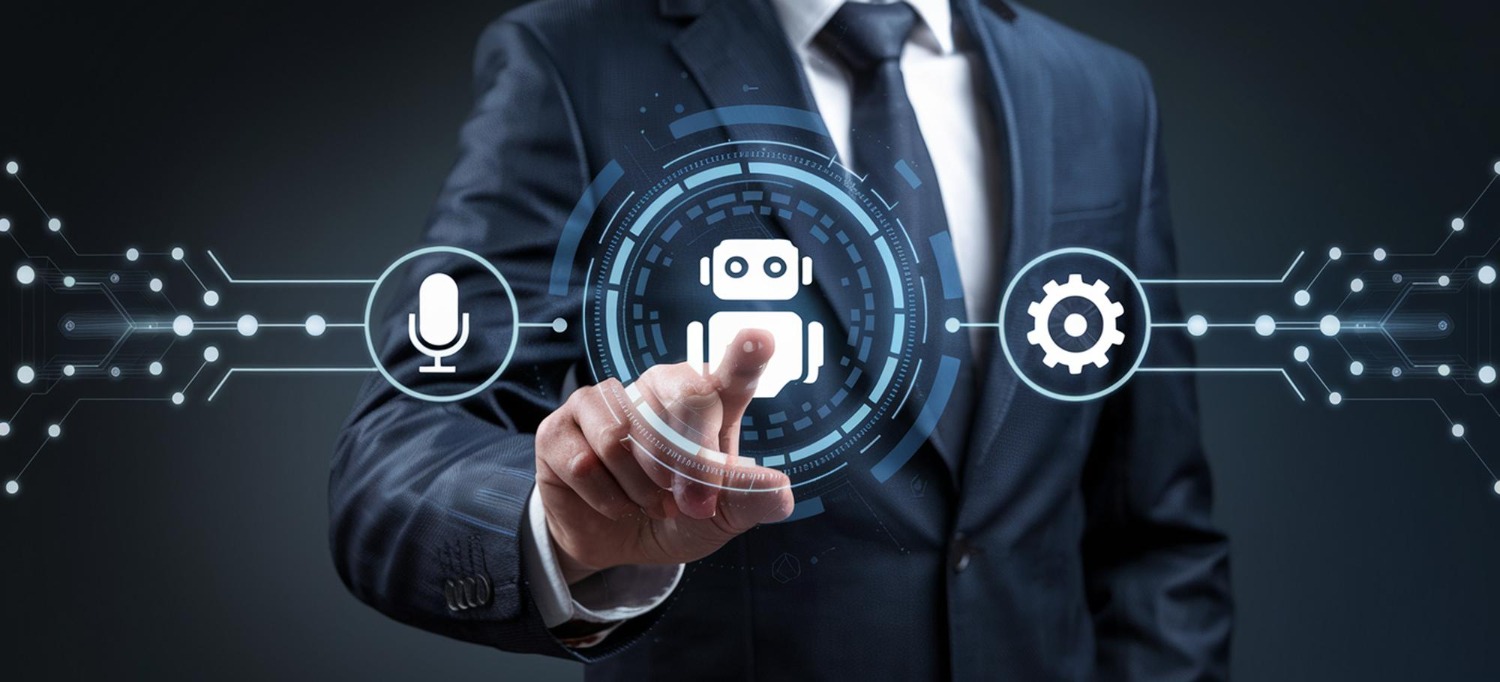
Voice is especially powerful in Tier 2 and Tier 3 markets where customers prefer spoken interaction over typing. For instance, a skincare brand using AI Voice Agents for reorder reminders saw a 28 percent increase in repeat purchases without increasing marketing spend.
Platforms like Convertway help D2C brands implement AI Voice Agents without heavy tech setup. You can automate reorder reminders, post-purchase engagement, and customer support through voice and WhatsApp by making personalised communication scalable across thousands of customers.
Most brands still rely on past performance reports to make decisions. But by the time you react, the opportunity is already gone.
Predictive analytics changes this completely.
Instead of telling you what happened, it tells you what is likely to happen next.
Brands can now:

During festive seasons like Diwali or sale periods, demand spikes are predictable but difficult to manage. Predictive analytics helps brands:
Instead of relying only on paid ads, brands are now building loyal customer communities that drive repeat purchases, referrals, and long-term engagement.
A small, highly engaged group of even 500 customers can often outperform tens of thousands of cold followers in terms of revenue and retention.

Community-led growth works because:
Personalisation in 2026 is no longer about adding a customer’s name to an email. It now includes:
Regional language personalisation is still underused. Brands that communicate in Hindi, Tamil, Bengali, or Marathi see significantly higher conversion in Tier 2 and Tier 3 markets.
Omnichannel is now the baseline expectation. Today, customers:
Because, without a unified system, brands struggle with:

This section is the practical execution layer of all the marketing trends 2026 discussed above. Instead of just understanding trends, brands need to start implementing them in real workflows.
Most D2C brands fail not because of weak marketing, but because their data is fragmented across systems. Start by:
Community-led growth is becoming one of the strongest retention and acquisition engines. Start small:
Start with what you already have:
One of the most ignored growth gaps is running campaigns without checking stock availability. To fix this:
AI is becoming a customer interaction layer. Start with:
These small experiments compound into major efficiency gains.
The future of marketing trends 2026 is building connected systems that work together across the entire customer journey.
Winning D2C brands will bring together AI-driven decision-making, predictive analytics, community-led growth, hyper-personalisation, and unified commerce to create a seamless growth engine that learns, adapts, and responds in real time.
In the next phase of Indian D2C growth, success will come from those who understand their customers the best, act on insights the fastest, and build systems that turn every interaction into long-term value.
FAQs:
1. What are the top marketing trends for D2C brands in India in 2026?
The top marketing trends for Indian D2C brands in 2026 are AI-driven campaign automation, predictive analytics for churn and demand forecasting, community-led growth through WhatsApp and social communities, and hyper-personalisation using first-party data.
2. What is community-led growth, and why is it important for D2C brands?
Community-led growth is a strategy where customers become active contributors to growth through referrals, UGC, and feedback. It reduces dependency on paid ads and builds stronger retention. In India, WhatsApp communities and Instagram Broadcast Channels are the most effective formats.
3. What is predictive analytics in ecommerce marketing?
Predictive analytics uses historical customer and purchase data to forecast future behaviour, such as churn risk, product demand, and high-value customer segments. It helps D2C brands shift from reactive decision-making to proactive growth planning.
4. How can D2C brands use AI in marketing without a large budget?
Brands can start with built-in AI tools in platforms like Klaviyo, Meta Advantage+, and MoEngage. These tools help optimise campaigns, automate targeting, and improve personalisation without needing a dedicated data science team.
5. What is the difference between omnichannel and unified commerce?
Omnichannel means selling across multiple platforms, like websites and marketplaces. Unified commerce connects all channels in real time, ensuring shared inventory, customer data, and fulfilment systems. This enables accurate marketing and a better customer experience.
6. Which marketing channels are growing fastest for D2C brands in 2026?
WhatsApp Business API, short-form video platforms like Instagram Reels, vernacular content on YouTube, and quick commerce integrations are the fastest-growing channels. These are driven by increased adoption in Tier 2 and Tier 3 markets.